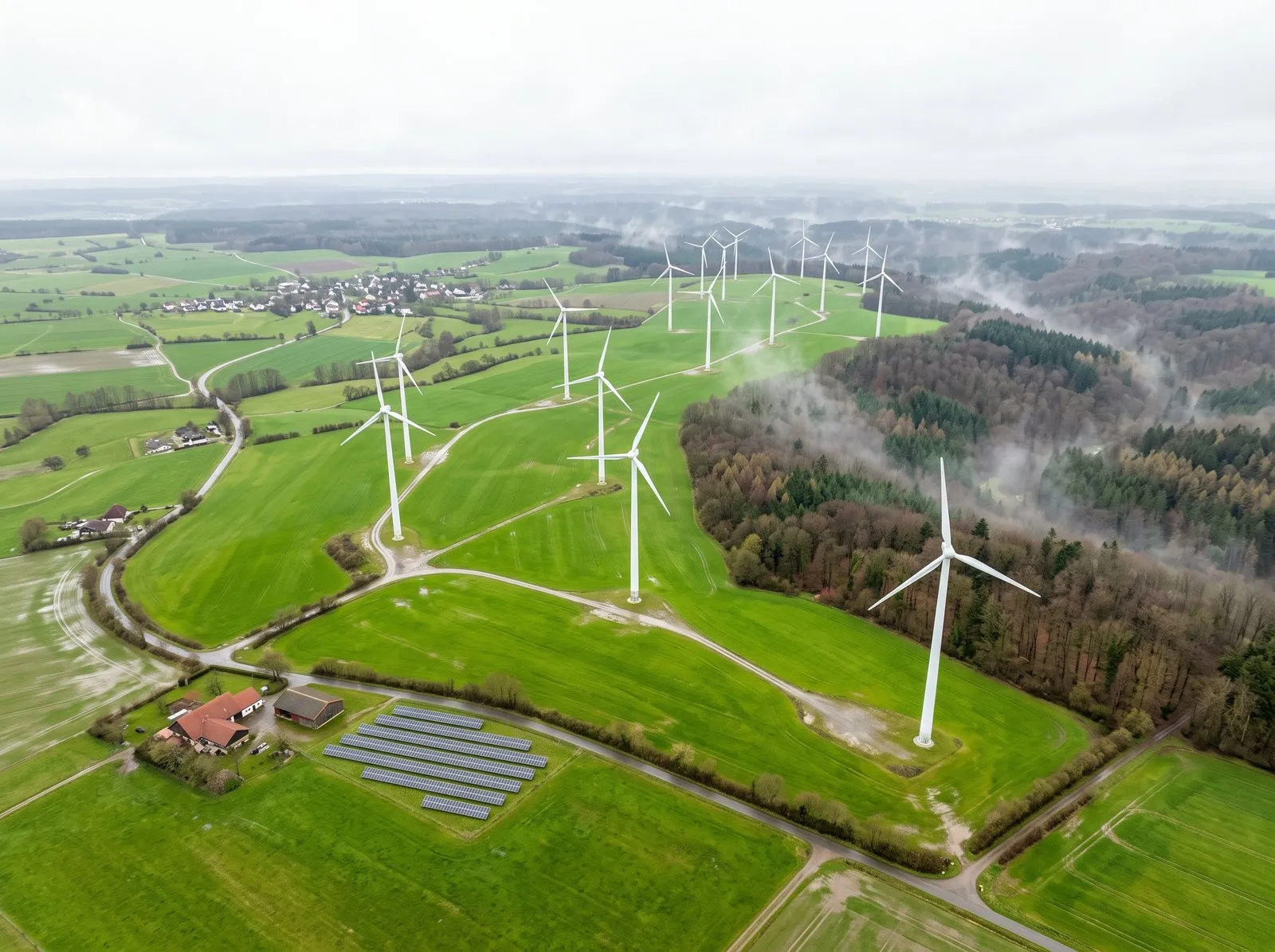
The February 2018 case study described ENGIE's use of enercast wind-generation forecasts for electricity-market decisions. It connected changing wind output with the need to manage a power position in a volatile market. This historical account does not confirm the scope or continuation of today's relationship.
Forecasts within the trading process
The report described using forecasts for wind assets in several European countries, together with regular updates and measured plant production. Its forecast horizons and update frequencies were details of the arrangement reported at that time. They have not been converted into present-day product guarantees.
Why the update matters
Wind and solar output can change as weather information improves. A trading team can use updated expected generation to reassess its position, but the value of doing so also depends on market access, prices, liquidity and trading rules. Generation prediction reduces one source of uncertainty without removing all commercial risk.
A useful case, with defined limits
The original case included customer commentary about visibility and volume risk. It did not provide a reproducible accuracy benchmark or a quantified saving that can be generalised to another buyer. A new evaluation should fix the portfolio, decision deadlines and actual measurement boundary, then examine the forecasts available at those times. This page retains the dated workflow example while leaving current service terms and commercial outcomes to be verified separately.