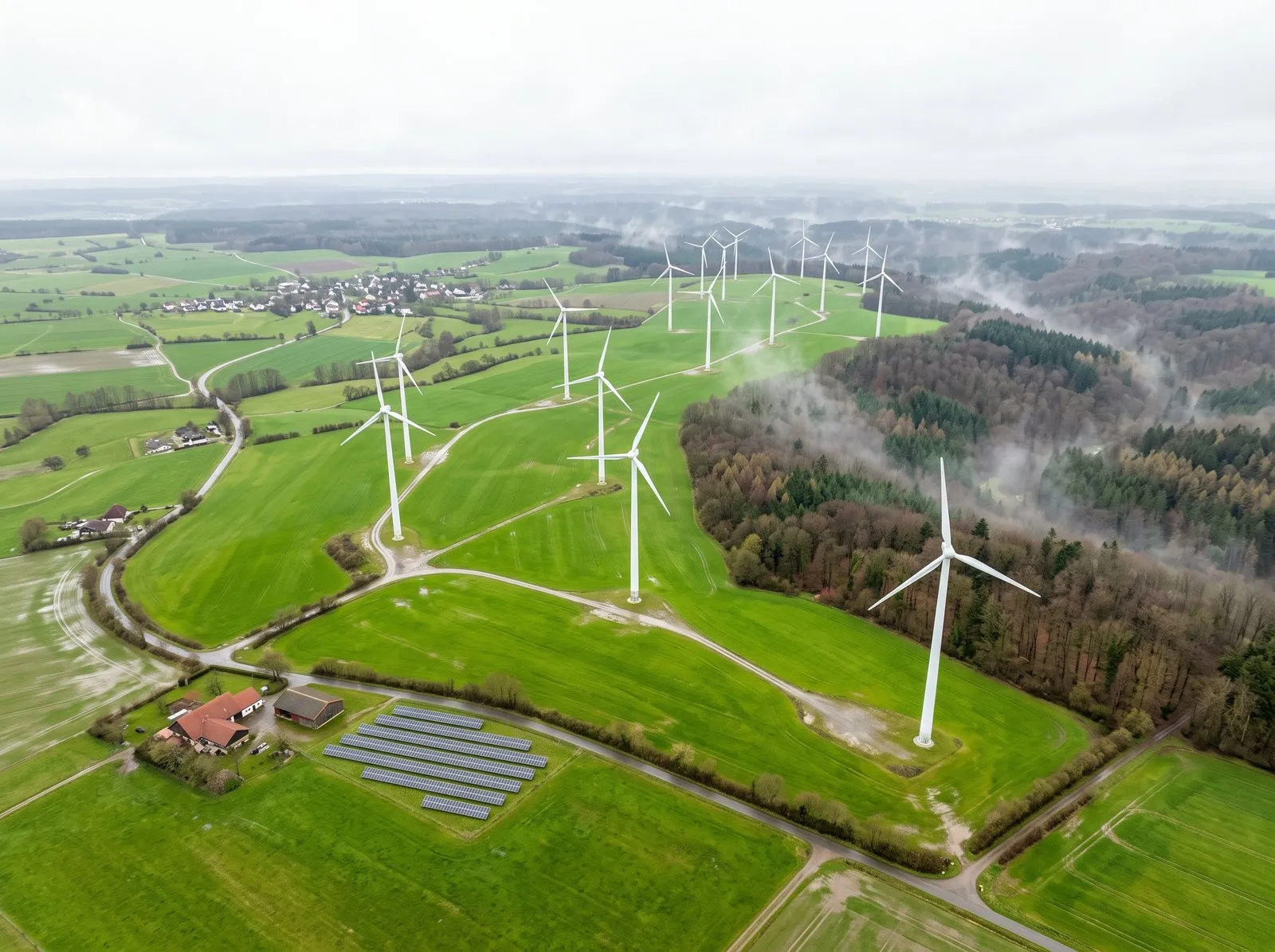
Weather information, asset metadata and measured generation play different roles in a renewable forecast. Weather describes the expected resource, metadata describes how a plant converts it, and measurements connect the model to actual behaviour. Problems in any of these inputs can limit the forecast even when the modelling method is sophisticated.
Make asset metadata an owned dataset
Provide stable asset identifiers, coordinates and a clear capacity definition. For wind, relevant equipment and turbine configuration matter; for solar, orientation, tilt, tracking and inverter limits can affect conversion. Record changes with effective dates. A repowered plant or expanded PV installation should not be treated as though its historical capacity were unchanged.
Document telemetry semantics
Confirm whether a series represents instantaneous power or interval energy, its units, interval length and measurement boundary. Keep timestamps unambiguous. A zero value, a missing record and an invalid measurement are different states. Quality flags should travel with the data rather than being lost during export. Late corrections need a clear policy for training and evaluation.
Explain operational constraints
Curtailment, planned maintenance and outages can reduce actual feed-in below weather-dependent potential. Supply these events where available and define the forecast target. Without that context, a learning system may infer the wrong relationship between weather and production. Check recurring restrictions, such as site-specific wildlife or noise conditions, separately from unexpected faults.
Check weather delivery
The forecast needs the right variables, geographical coverage and lead times before the user's deadline. Verify units and whether quantities are accumulated or instantaneous. Preserve issue times and valid times. Monitor missing files and stale runs, and establish a fallback process. A valid file that arrives too late is an operational failure even if its meteorological content is good.
Build a shared onboarding checklist
Agree who maintains each input, how new assets are added and how changes are communicated. Test one representative asset before importing a large portfolio. Compare the ingested values with their source and inspect intervals around time-zone changes. During a backtest, make data exclusions visible and use the same rules for every forecast being compared. Quality management makes errors explainable and creates the conditions for a credible site-specific evaluation.
Distinguish training data from live availability
An operator may have a complete historical export while the live telemetry feed is delayed or intermittent. A model tested on the export can therefore rely on information the production system cannot consistently obtain. Document delivery latency and use the data available at each forecast issue time. Late corrections can improve future training, but they should not silently rewrite an operational evaluation.
Validate additions and changes
A new asset should pass a small set of interface checks before joining a portfolio aggregate. Confirm that its identifier is unique, its location is plausible and its capacity uses the same definition as existing records. Inspect a representative observation series for units and interval conventions. Repeat the relevant checks after capacity changes or repowering. A valid schema alone does not establish that the meaning of the data is correct.
Make failures visible
Define how invalid records are rejected and how affected users are informed. When a fallback is used, preserve that fact with the forecast. Record whether the source was stale, unavailable or substituted. A continuous series without such flags can hide repeated input failures and make later scoring misleading. Clear ownership and useful diagnostics allow the team to repair the source rather than repeatedly compensate for an unexplained symptom in the model.