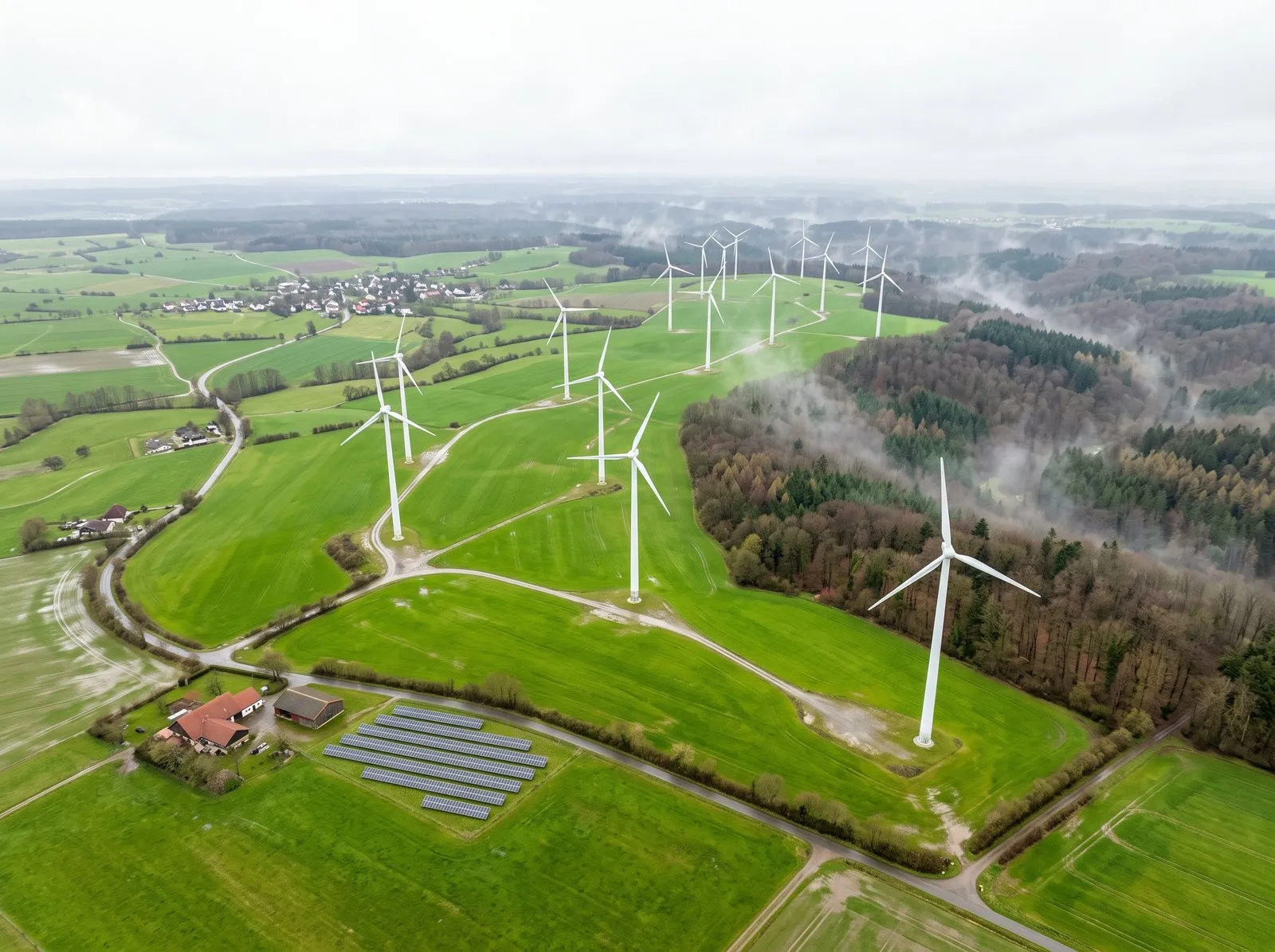
In January 2018, enercast described its work in Project Prophesy with Fraunhofer IEE and the University of Kassel. The research examined forecasting uncertainty for wind and PV in future power-supply systems. This page preserves the project's original research context and does not present it as an ongoing initiative.
Why simulate future errors?
Planning an electricity system requires more than a best estimate of renewable production. Researchers also need plausible forecast errors and their evolution over time. Errors can be related across locations and intervals, which matters when studying aggregate feed-in, network use and flexible demand. The project explored those relationships rather than assuming each future interval had an independent error.
The work described in 2018
The announcement discussed simulating feed-in, forecasts and forecast-error values using weather and renewable-plant information. It linked the research to questions about future grids and applications such as electromobility. Those were research objectives, not a promise of a particular forecast accuracy or a production service available to every customer.
Linking the announcement to its outcome
A later enercast report dated January 2021 stated that Prophesy had completed at the end of 2020 and described a simulation tool and influencing factors. The original announcement and the completion report answer different questions: what the research intended to investigate and what the later report said it developed. Keeping those dates visible avoids turning a historical project proposal into an unsupported current claim.